
Naturally sweet wines
Sweet wine, the way the grape made it.
We stop fermentation partway through, so some of the grape's own sugar stays in the wine. Nothing is added back.
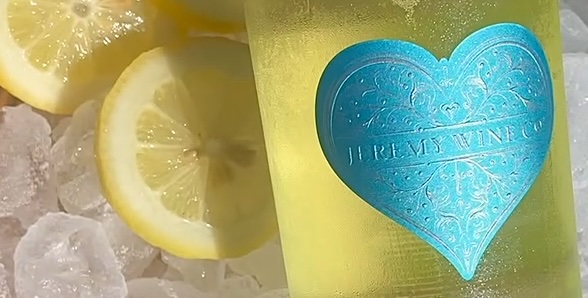
You wouldn't feel guilty picking a perfectly ripe peach off the tree. Sweet wine is the same: a perfectly ripe grape, with a touch of alcohol.
Arrested fermentation in seven steps
How we keep natural grape sugar in the wine, from the vineyard to the bottle.
-
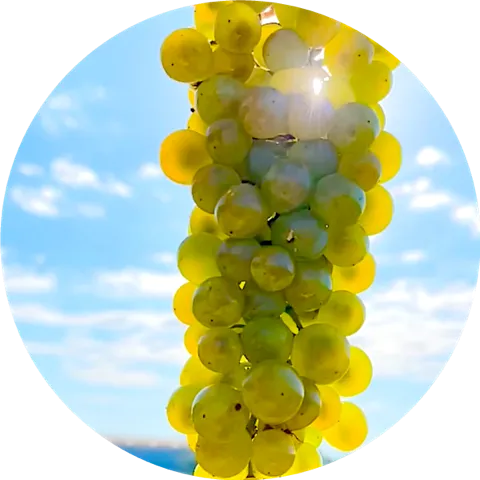
Step 1
Perfect timing
Choosing the moment to harvest
Through the season we test sugar levels and taste the grapes. We pick when sugar, acidity and varietal character are in balance.
Pick too early and there isn't enough natural sugar; too late and the fruit loses its fresh acidity.
-
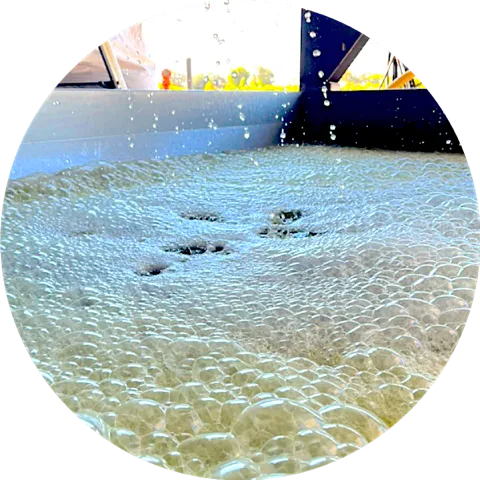
Step 2
Gentle pressing and cold settling
Pure juice, delicate compounds intact
Destemmed clusters are pressed gently, then the juice settles at cold temperature. It clarifies naturally and keeps the thiols that give the wine its aromatics.
Cold settling protects delicate flavors and removes solids without harsh handling.
-
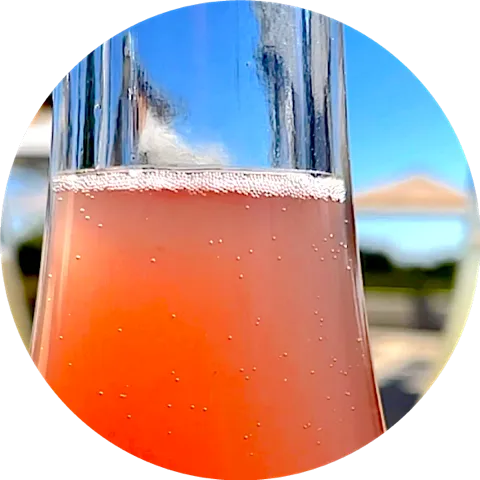
Step 3
Precise yeast selection
Clean racking and the right yeast
We rack the clear juice off its sediment and add yeast chosen for each variety: strains that ferment slowly and cleanly at low temperature.
A slow, controlled ferment lets us time the stop precisely.
-
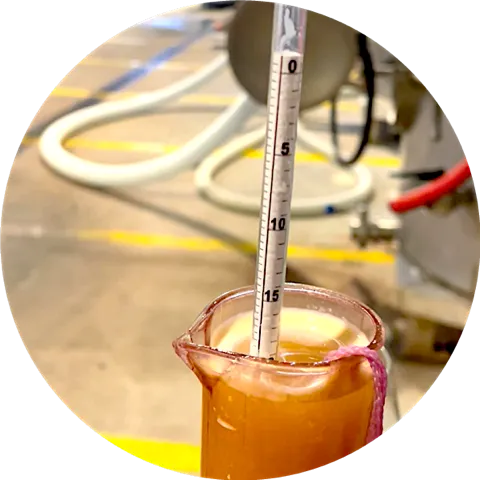
Step 4
Cold fermentation
3–5 weeks at 55°F
The tanks hold at 55°F, which slows fermentation so we can check temperature, sugar and pH, and taste regularly.
Tasting is what tells us when to stop.
-
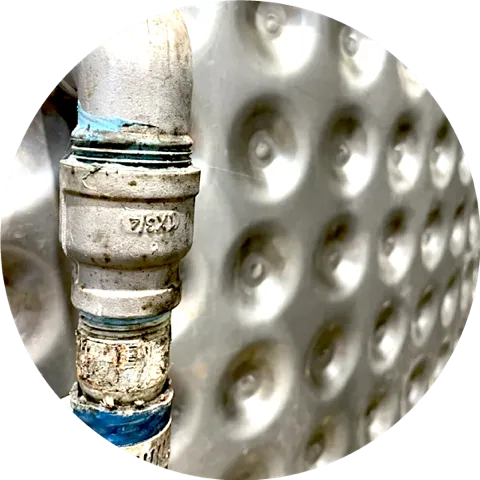
Step 5
Cold crash
Stopping fermentation at the right balance
When the balance of alcohol and remaining grape sugar tastes right, we chill the tank rapidly toward freezing. The cold stalls the yeast and holds that balance.
This call takes years of experience and a practiced palate.
-
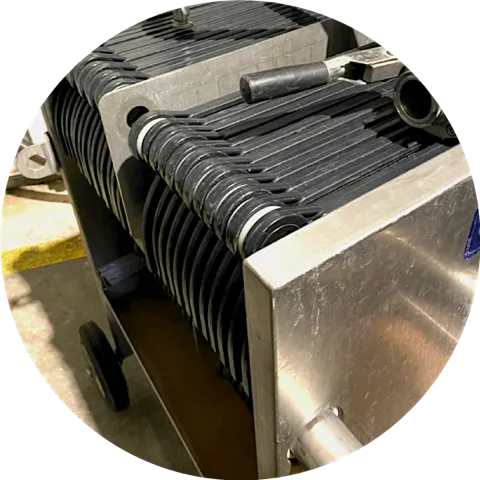
Step 6
Sterile filtration
Removing the yeast, keeping the sugar
Filtering out every remaining yeast cell means fermentation can't restart, while the flavors and natural grape sugar stay in the wine.
It takes specialized equipment to make the wine stable without stripping it.
-
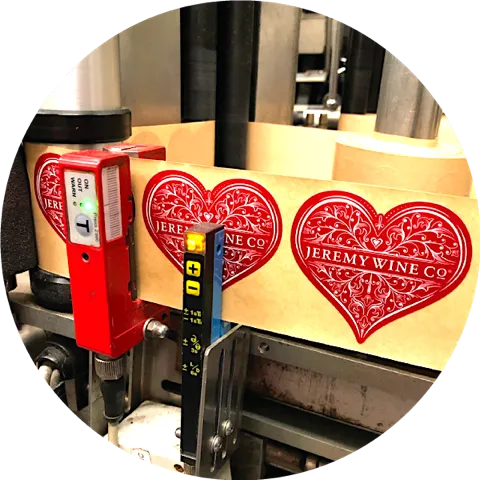
Step 7
Bottling
Stable and naturally sweet
The finished wine keeps the grape sugar that was never fermented, with nothing added. It goes into the bottle ready to drink.
A sweet wine that tastes of the grape, not of added sugar.
How ours differs
Many sweet wines are fermented dry and sweetened afterward. Ours keep part of the grape's own sugar because we stop fermentation early.
Our arrested fermentation
- 100% natural grape sugar
- Slow, cold fermentation
- Stopped by chilling at the right moment
- Sterile filtration for stability
- Labor-intensive daily monitoring
- Varietal character preserved
Common commercial methods
- Back-sweetening with grape concentrate
- Added sugars or sweeteners
- Faster, high-volume processing
- Chemical stabilization
- Flavor profiles adjusted to a target
Taste the difference
Bright, light and balanced, never cloying. Pour one at either tasting room, or take a few home.